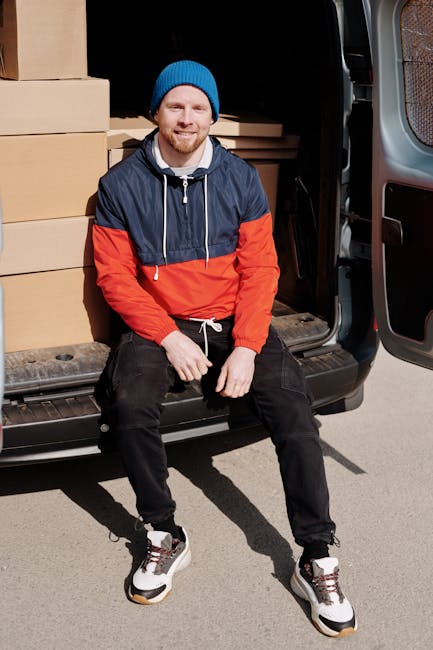
Brockley man and van moving tips for narrow terraces
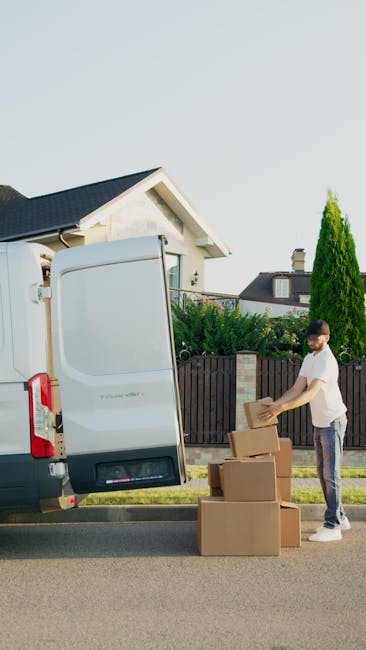
If you are planning a move in Brockley, you already know the challenge is rarely the packing alone. It is the narrow terraces, tight front paths, awkward on-street parking, and those little bits of London life that make a simple move feel like a puzzle. These Brockley man and van moving tips for narrow terraces are designed to help you move without the usual last-minute panic, scuffed walls, or back-and-forth trips that eat up the day.
Whether you are shifting a one-bedroom flat, clearing a terrace house, or moving a few bulky pieces down a thin hallway with a sharp bend at the door, the right approach makes a huge difference. Truth be told, a good man and van move is less about brute force and more about planning, timing, access, and knowing where the awkward bits are before the van arrives. Let's get into the practical side of it.
Why Brockley man and van moving tips for narrow terraces Matters
Brockley has a lot going for it: character homes, tree-lined streets, and the kind of terrace layouts that look lovely from the pavement but can be awkward on moving day. Narrow terraces often mean slim staircases, low door frames, shared front paths, and very little room for a van to wait, turn, or unload safely. If you have ever tried to carry a sofa through a hallway that seems to shrink by the minute, you will know the feeling.
These conditions matter because every extra metre of carrying adds time, effort, and risk. A move that would be straightforward in a wider street can become stressful here if you do not plan access properly. The difference is not just convenience. Better planning can reduce breakages, avoid annoying delays, and lower the chance of damaging walls, bannisters, or parked cars. Nobody wants to start a new chapter with a cracked mirror and a sore lower back.
There is also a local timing issue. Brockley streets can be busy at school run times, commuting peaks, and weekends when people are home, parked up, or out doing the usual Saturday shuffle. In narrow terraces, a van parked badly for ten minutes can create real friction. So the moving plan needs to suit the street, not just the contents of the house.
Expert summary: For narrow Brockley terraces, the winning formula is simple: measure first, reduce carry distance, protect tight corners, and make loading as calm and predictable as possible. The move gets easier fast when the access plan is sorted before the first box leaves the house.
How Brockley man and van moving tips for narrow terraces Works
A man and van service is usually a flexible moving option for smaller or medium-sized jobs, but it works best when the access details are clear. In narrow terraces, the move typically follows a few practical stages: assess access, plan parking, prep the load, carry in the right sequence, and secure everything properly in the van.
Here is the basic idea. The van should park as close as reasonably possible to the property, but close does not always mean directly outside the front door. In some Brockley streets, that may be impossible or unwise. You may need to park a short distance away, use cones or a helper to manage loading flow, and take care with kerbs, railings, and passing traffic. That may sound obvious, but in the rush of moving day, obvious things are the first to go.
The most useful moving tips for narrow terraces focus on reducing the number of awkward lifts. That means grouping items by room, separating fragile items, removing drawers where sensible, and protecting corners before anything touches the staircase. It also means thinking about the route from the front room to the van. Is there a tight turn near the radiator? A step at the threshold? A gate that only opens halfway? These small points matter more than people expect.
In practical terms, the process works best when the van operator and the customer are aligned on:
- where the van can stop safely
- how far items will need to be carried
- which furniture needs dismantling
- what should be loaded first
- how fragile or heavy items are handled
That sounds like a lot, but it becomes fairly simple once you break it down. A short call or message before moving day usually saves a lot more time than it costs. And yes, a few photos of the hallway or staircase can be incredibly useful. Not glamorous, but practical.
Key Benefits and Practical Advantages
The biggest benefit of planning a terrace move properly is that it reduces stress. But there are several other advantages worth calling out, especially in a place like Brockley where older housing stock can come with quirks.
- Less carrying distance: The closer the van can get, the less time and effort each item needs.
- Lower risk of damage: Better route planning helps protect walls, paintwork, banisters, and furniture edges.
- Faster loading: If the sequence is organised, there is less stop-start confusion at the door.
- More efficient van space: Proper stacking and weight placement save trips and reduce shifting in transit.
- Better value for money: A smoother job usually means less wasted labour time.
- Less neighbour friction: Calm, tidy loading is much easier on everyone living nearby.
There is also a quieter benefit that people often miss: confidence. When you know the route, the furniture sizes, and the parking plan, the whole day feels more under control. You are not guessing. You are managing. That shift changes the mood of the move more than people realise.
If you are comparing moving options, a service that understands local access issues is often a better fit than a generic arrangement that assumes wide roads and plenty of space. For smaller jobs in particular, a man and van service can be a neat solution when you need flexibility rather than a full-scale removals crew.
Who This Is For and When It Makes Sense
This kind of moving guidance is especially useful if you live in, are leaving, or are moving into a Brockley terrace with tight access. That includes a lot of people, frankly.
You will likely benefit from these tips if you are:
- moving from a period terrace with a narrow staircase
- shifting a flat above a terrace conversion
- moving bulky furniture through a tight hallway
- facing limited parking or single-lane access
- moving a small home and do not need a full lorry
- trying to keep costs sensible by making the move more efficient
It also makes sense if you have just a few awkward items, such as a wardrobe, bed frame, desk, or washing machine. These are the pieces that can turn up the pressure in a narrow property. A sofa might technically fit, but getting it round the bend? That is another matter. You know the sort of thing.
This advice is also handy for landlords, tenants, students, and anyone arranging a same-day or short-notice move. If you are under time pressure, a clear plan becomes even more important because there is less room to improvise when the van is already outside and the clock is ticking.
Step-by-Step Guidance
Here is a practical approach you can follow before and during the move. It is not fancy, but it works.
1. Measure the awkward bits first
Measure door widths, hallway turns, staircase width, and any furniture that might snag. A measuring tape costs almost nothing and can save a lot of swearing later. Focus on the biggest items first: sofas, mattresses, wardrobes, tables, and appliances.
2. Check the parking and loading plan
In narrow Brockley streets, parking is often the deciding factor. Decide where the van will stop, whether it can stay there for loading, and whether you need any temporary help from a neighbour or a second person to keep the route clear. If parking is restricted, build extra time into the plan instead of assuming the space will appear magically.
3. Strip furniture down where possible
Remove bed legs, table tops, shelves, cushions, and any loose fittings. Bag the screws and label them clearly. This sounds small, but the moment you arrive at the new place and cannot find the fixings, the mood drops fast.
4. Pack by room and by priority
Use a simple system: what needs to come out first goes near the door, and what you will need immediately at the new property should be loaded last. Mark fragile boxes clearly. Keep essentials separate. Kettle, chargers, documents, toiletries. The usual survivors.
5. Protect corners and narrow contact points
Use blankets, furniture covers, and cardboard corner guards where needed. If a staircase has a tight inside turn, add extra padding. The places people bump are usually the places they forgot to protect. That is just how it goes.
6. Load heavy items intelligently
Put heavier pieces low and secure them against the van wall. Lighter, softer items can fill the gaps. Try not to create a leaning tower of random boxes. It looks efficient for approximately three seconds, then chaos.
7. Walk the route before lifting
Before carrying each larger item, walk the path from the room to the van. Check for shoes, door stops, bins, and anything sitting in the way. This tiny pause can save you from a scratched frame or a stubbed foot. In moving, speed comes from clarity, not rushing.
8. Keep communication simple and direct
Call out what is going next, what needs help, and what should not be tilted. If more than two people are involved, assign one person to keep things moving. Otherwise everyone starts helping everyone and somehow nothing gets done. That old story.
Expert Tips for Better Results
Once the basics are covered, a few more detailed habits can make narrow terrace moves much easier.
Use a "wide item first" mindset. Get the hardest item out while energy is highest and the route is still clear. Do not leave the bulky wardrobe until the end when everyone is tired and the hallway is full of boxes.
Time the move to avoid peak chaos. Early mornings are often calmer on residential streets. You may get better access, less traffic, and fewer people moving around. Not every move can happen at dawn, of course, but if you have a choice, it helps.
Reduce the number of trips. It is tempting to take a handful of small items first, then return for the big stuff. Usually the reverse is better. Big items first, small loose things after. That way you preserve the easiest route for the hard jobs.
Keep one "do not load yet" zone. Important documents, keys, medicines, and overnight bags should stay separate. In tight homes, these things get mixed in more often than people expect.
Use blankets as both protection and grip. A moving blanket does more than prevent scuffs. It can also help people hold awkward items more securely. Handy little thing, really.
Think about sound as well as space. Narrow terraces carry noise. A thud on a bannister or a dragged box across a floorboard travels. Slower, controlled movements are simply better for everyone nearby.
If you are unsure how to plan around delicate items or long carry routes, it can help to combine your move with packing services or extra protection for furniture and fragile boxes. Sometimes the smartest time-saver is not moving faster but preparing better.
Common Mistakes to Avoid
The same mistakes come up again and again with terrace moves. Most of them are very avoidable, which is the annoying part.
- Not measuring properly: Guessing a sofa will fit is not a strategy. It is a gamble.
- Leaving parking to chance: If the van cannot stop near the property, the move gets harder fast.
- Forgetting the staircase turn: A hallway may look fine until a mattress reaches the bend.
- Overpacking boxes: Heavy boxes become awkward, slow, and risky to lift.
- Ignoring weather: Rain turns a short carry into a slippery, messy, stressful job.
- Not protecting walls: Tight corridors and fresh paint are a bad combination.
- Loading in the wrong order: If the van is packed badly, unloading becomes a second headache.
One common slip is assuming the move will somehow sort itself out once the van arrives. To be fair, it never really does. The move goes smoothly when the awkward stuff has already been worked through before lifting starts.
Another one is letting too many people give instructions at once. It sounds harmless, but in a narrow house it becomes noisy and inefficient very quickly. Clear roles beat group enthusiasm. Every time.
Tools, Resources and Recommendations
You do not need a warehouse full of equipment to manage a terrace move well, but a few sensible tools make a proper difference.
- Measuring tape: Essential for doors, halls, furniture, and stair turns.
- Furniture blankets: Useful for protecting corners, finishes, and tight squeezes.
- Ratchet straps or tie-downs: Helpful for securing items inside the van.
- Bubble wrap or paper wrap: Good for mirrors, glass, and awkward surfaces.
- Marker pens and labels: Keep boxes identifiable and unloading faster.
- Trolley or sack truck: Very useful for heavier boxes or appliances where access allows.
- Gloves with grip: Better handling in damp weather or on awkward materials.
In some moves, storage is part of the answer. If you are clearing a terrace in stages, waiting for keys, or dealing with furniture that will not fit immediately, temporary storage can reduce pressure. You can explore removals and storage if you need a more flexible transition, or look at short-term storage for a simpler stopgap.
For people moving between smaller homes, small removals can be a neat fit, especially when you only have a few larger items and a handful of boxes. If you are moving a complete house from a terrace, the wider house removals option may be more appropriate.
Law, Compliance, Standards, or Best Practice
There are a few practical compliance and best-practice points worth keeping in mind, even if your move is small and local. You do not need a legal lecture, just sensible housekeeping.
First, parking and access need to be handled carefully. In many residential streets, especially around terraced homes, the loading plan should avoid blocking driveways, obstructing junctions, or creating unnecessary danger for pedestrians and cyclists. If any permission or permit is needed, it is worth confirming the local requirements in advance rather than assuming it will be fine on the day.
Second, lifting and handling should be done safely. That means using good technique, not rushing heavy items, and asking for help when something is clearly awkward. The Health and Safety Executive guidance around manual handling is common sense at heart: avoid unnecessary strain, reduce risk where possible, and do not pretend a wardrobe is lighter than it is. It is not.
Third, check that the removals provider has appropriate insurance and a sensible approach to protecting your property. A trustworthy operator should be willing to talk through access challenges, handling arrangements, and any concerns about delicate items. If you are moving valuables or fragile furniture, it is sensible to understand the limits of cover before moving day.
For local customers, it is also sensible to use companies that publish clear information about insurance and safety, along with transparent pricing and quotes. Good practice is not a luxury here; it is part of making a narrow terrace move go right first time.
Options, Methods, or Comparison Table
Different moving methods suit different jobs. If you are in a Brockley terrace, the choice usually comes down to size, access, and how much help you need. Here is a simple comparison.
| Option | Best for | Strengths | Watch-outs |
|---|---|---|---|
| Man and van | Small to medium moves, awkward access, flexible timing | Agile, usually cost-effective, good for narrow streets | May need good preparation and clear access planning |
| Full removals team | Larger homes or bigger furniture loads | More hands, more capacity, less lifting by the customer | Can be more expensive and may be less nimble on tight streets |
| Self-move | Very small jobs or single-item moves | Low cost if everything goes smoothly | High effort, more risk of damage, parking and loading can become stressful |
In narrow terraces, the man and van approach often works well because it balances flexibility with enough carrying capacity for a realistic household load. If you have several large items but not an entire family home's worth of contents, it is often the sweet spot. Not always, but often.
If you are deciding between moving options, think less about what sounds cheapest on paper and more about what will actually work in the street you live on. That little mental switch helps a lot.
Case Study or Real-World Example
Imagine a typical Brockley terrace move: two bedrooms, a narrow entrance hall, a staircase with a tight turn, and a sofa that looked completely reasonable in the shop but now seems to have grown in the night. The residents have packed most of their boxes, but they have not checked whether the wardrobe will clear the landing. The van can park nearby, but only for a limited stretch of road.
The move goes well only after a quick adjustment in plan. First, the furniture is measured and the wardrobe doors are removed. Second, the hallway is cleared so there is no extra clutter underfoot. Third, the larger items are loaded first while the route is still free. Fourth, blankets are placed on the stair edges, and one person is assigned to keep the door area clear while others carry.
What changed? Not strength. Not luck. Just decision-making. The job became simpler because everyone could see the access problem before it turned into one.
That is the real lesson with narrow terrace moves. If the space is tight, you respect the space. You work with it, not against it.
Practical Checklist
Use this checklist before the van arrives. It keeps the day grounded and stops small details from becoming big problems.
- Measure large furniture and the tightest doorways or stair turns
- Confirm where the van can stop and how long it can stay there
- Clear the hallway, stairs, and front path of clutter
- Protect floors, corners, bannisters, and painted edges
- Disassemble any furniture that will not safely pass through as one piece
- Label fragile boxes and keep valuables separate
- Prepare tools, tape, blankets, and fixings in one easy-to-find place
- Decide what loads first and what stays accessible until last
- Check rain cover or weather protection if the forecast looks grim
- Keep drinks, keys, documents, and chargers in a personal essentials bag
If you can tick most of those off, you are already ahead of the game. Really. The difference is noticeable.
Quick takeaway: narrow terrace moves are won by preparation, not pressure. Measure carefully, simplify the route, protect the vulnerable bits, and keep the loading plan steady. That is the whole game, more or less.
If you want a smoother, less stressful move in Brockley, a local team with the right access know-how can help you avoid the usual bottlenecks and keep everything moving. Get a free quote today and see how much you can save.
Conclusion
Moving out of or into a narrow Brockley terrace does not have to be chaotic. Once you understand the access, the parking, the staircase, and the order of loading, the move becomes much more manageable. It is often the small, ordinary decisions that matter most: a measured doorway, a blanket over a bannister, a van parked a little closer, a box labelled properly.
That might not sound dramatic, but moving day rarely rewards drama anyway. It rewards calm planning, practical thinking, and a bit of patience. Do those things well and the whole process feels lighter, even when the sofa is not.
And when the last box is in, the kettle starts boiling, and the street noise fades into the background, you will be glad you handled the awkward bits properly. One careful move beats three stressful ones. Every time.
Frequently Asked Questions
What is the best way to move furniture in a narrow Brockley terrace?
The best approach is to measure first, clear the route, protect tight corners, and move bulky items before the small boxes start cluttering the hallway. A calm, planned loading order usually works better than trying to rush everything at once.
Can a man and van service handle narrow staircases?
Yes, in many cases it can, especially if the stairs are measured and the larger furniture is checked in advance. If something looks tight, it may need partial dismantling or extra protection. It is always better to know before the van turns up.
How do I know if my sofa will fit through the door?
Measure the sofa at its widest points and compare that with the door width, hallway turns, and any staircase bends. Remember that angles matter, not just straight measurements. A sofa can look like it should fit and still refuse to cooperate. Classic sofa behaviour.
What should I do if parking is limited outside my terrace?
Plan the loading point in advance and allow for a short carry if needed. Keep the route clear, avoid blocking neighbours, and build in extra time if the van cannot park directly outside. Tight streets reward planning more than hope.
Is a man and van cheaper than a full removals team?
Often, yes for smaller or medium-sized moves. But value depends on the job size, access, and whether you need extra labour. A cheaper quote is not always better if it causes delays or creates more risk of damage.
Should I dismantle furniture before moving day?
Usually, yes for larger or awkward items. Beds, tables, and wardrobes often move more safely and efficiently when partly dismantled. Keep screws and fixings in labelled bags so reassembly is not a treasure hunt later.
What items should I keep with me rather than loading into the van?
Keep keys, documents, medication, valuables, chargers, and a basic overnight bag with you. It is also sensible to keep essential cleaning items and any urgently needed paperwork separate from the main load.
How can I protect walls and bannisters in a narrow terrace?
Use furniture blankets, cardboard edge protection, and controlled lifting. Move slowly around tight bends and avoid swinging items through the hallway. Most damage happens when people rush the turn.
Do I need special equipment for a small terrace move?
Not special, necessarily, but a few basics help a lot: blankets, straps, a trolley if access allows, tape, labels, and a measuring tape. Simple tools can make the whole job feel far more organised.
What if the move is last-minute and I have not packed properly?
Start with the essentials and the largest items, then box up the smaller things in categories rather than perfect room-by-room order. If the move is truly rushed, focus on safe transport first and neatness second. You can sort better later.
Can storage help with a narrow terrace move?
Yes. If not everything fits in the new place straight away, storage can take pressure off moving day and reduce overcrowding in a tight property. It is especially useful during staggered moves or when keys are delayed.
How far in advance should I plan a Brockley terrace move?
As early as you can, ideally long enough to check access, parking, furniture sizes, and any packing or dismantling you need to do. Even a modest move becomes easier when you have time to think through the awkward parts instead of discovering them at the door.