Lewisham narrow access removals solutions for tight stairs
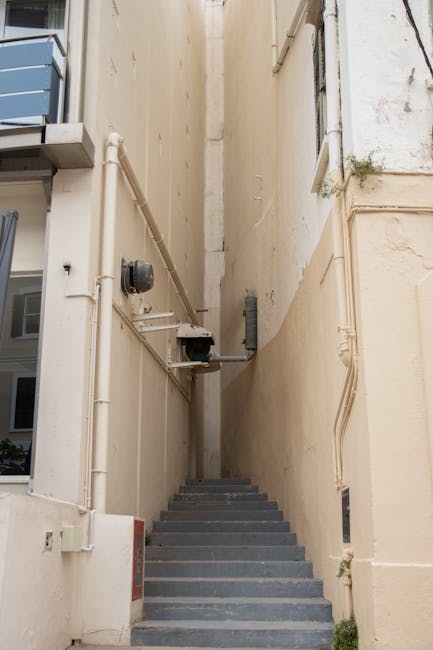
Moving house or office is stressful enough without discovering that the staircase is too tight for a sofa, the hallway turns sharply halfway up, or the front door barely opens wide enough for a mattress. That is exactly where Lewisham narrow access removals solutions for tight stairs come in. Whether you are in a top-floor flat, a Victorian terrace, or a compact Lewisham property with awkward corners, the right approach can save time, reduce damage, and make the whole day feel a lot less chaotic.
In practice, this kind of move is all about planning, the right equipment, and a team that knows how to handle difficult access without turning your stairwell into a battleground. This guide walks through what the service involves, how it works, who needs it, and what to check before moving day. You will also find a straightforward checklist, a comparison table, and a few real-world tips that are easy to act on. No fluff. Just the useful stuff.
Why Lewisham narrow access removals solutions for tight stairs Matters
Narrow access is not just a nuisance; it changes the whole logistics of a move. A staircase with a tight landing, a bendy banister, or low overhead clearance can make standard moving techniques unsafe or simply impossible. In Lewisham, where homes can range from maisonettes and conversions to older properties with narrow staircases, this is a familiar challenge. You are not alone if you have stood at the bottom of the stairs wondering, "How on earth is that wardrobe going to fit?"
The main issue is that furniture does not always behave like a neat box. It twists, catches, scrapes, and suddenly becomes heavier when carried awkwardly. Without a plan, even a simple move can lead to scuffed walls, chipped paint, strained backs, and that horrible moment where everyone stops halfway up the stairs because the sofa is now wedged in place. To be fair, it happens more often than people like to admit.
Good narrow access planning matters because it protects the property, the items being moved, and the people doing the lifting. It also helps avoid rushed decisions on the day. If you are comparing service options, it can help to think beyond transport and look at the full process, including professional packing support, small removals for compact loads, or a fuller move through complete removals assistance.
How Lewisham narrow access removals solutions for tight stairs Works
The process usually starts with a clear access assessment. That means looking at door widths, staircase turns, ceiling height, bannister position, parking distance, and whether larger items need to be dismantled before moving. A proper assessment is not overkill; it is the difference between a calm move and a very noisy one. The team should ask practical questions early, because the answers decide the route, the crew size, the equipment, and sometimes the vehicle type.
For a tight stair move, the removal plan often includes one or more of these steps:
- Measuring the largest items against the narrowest points in the property.
- Identifying whether furniture needs dismantling or reassembly.
- Protecting bannisters, walls, and floors before lifting begins.
- Choosing trolleys, lifting straps, sliders, blankets, or specialist carrying methods.
- Timing the move so access is not blocked by neighbours, deliveries, or parking restrictions.
Some items move normally once wrapped and turned correctly. Others are better taken apart first. A big bed frame, for example, may be straightforward, while a tall bookcase with fixed shelves may be a different story entirely. The aim is not force. It is control. And sometimes a couple of extra minutes spent dismantling saves twenty minutes of grunting on the stairs. You can probably hear the difference already.
When items are too awkward to move through the building safely, storage can become part of the plan. That is where services such as removals and storage, short-term storage, or furniture storage can be useful while you work out a better route or wait for access conditions to change.
Key Benefits and Practical Advantages
The obvious benefit is getting large or awkward items out without damage. But the less obvious benefits matter too. A narrow access specialist can reduce decision fatigue, especially on a moving day when everyone is tired and slightly running on tea and adrenaline. That kind of support is worth a lot, honestly.
- Less risk of damage: careful wrapping, corner protection, and controlled lifting help keep your belongings and the property intact.
- Better use of time: a planned approach is quicker than repeated trial-and-error on the stairs.
- Safer handling: tight turns and steep steps are more likely to cause slips or strains, so controlled methods matter.
- More flexibility: awkward items can often be dismantled, stored, or moved in sections.
- Lower stress: when the access plan is sorted, everything feels a bit less frantic.
There is also a practical cost advantage. While specialist access handling may take more planning, it can prevent the sort of damage that ends up being much more expensive than the move itself. A scratched wall, broken shelf, or crushed appliance door is not just annoying; it is avoidable. That is the whole point.
Expert summary: tight-stair removals work best when the move is planned around the building, not just around the furniture. Measure first, protect surfaces, and choose the smallest safe route rather than the shortest one.
Who This Is For and When It Makes Sense
This service makes sense for anyone dealing with restricted access, but some situations come up more often than others. Lewisham has plenty of properties where the staircase is the main challenge rather than the distance between addresses. If you are moving from a flat with a sharp stair bend, a converted house with narrow landings, or a room in a shared property where the stairwell feels barely wider than the mattress, this is likely for you.
It is especially useful if you are:
- moving into or out of a top-floor flat;
- handling large or fragile furniture;
- moving on a busy street where parking is limited;
- managing a student move with bulky items and tight deadlines;
- running an office move with filing cabinets, desks, or IT equipment;
- trying to reduce the amount of lifting you and your friends have to do yourselves.
If your move is small but awkward, a man and van service can be a practical choice. For larger residential moves, house removals or flat removals may be a better fit. And if the move is mainly a one- or two-room job with awkward access, local removals can keep things simple and cost-conscious.
Step-by-Step Guidance
A good narrow access move follows a clear sequence. The sequence matters because tight stairs punish improvisation. Here is the version that tends to work best in real life.
- Survey the access points. Measure stair width, landing size, ceiling height, door frames, and any turns or obstacles. Take photos if you can.
- List the awkward items first. Sofas, wardrobes, mattress sets, headboards, desks, and white goods usually deserve attention before anything else.
- Decide what should be dismantled. Some furniture is safer in sections. Do not assume it must travel intact just because it can.
- Protect the property. Use covers, mats, and padding on high-contact areas such as corners, banisters, and floor edges.
- Choose the right moving method. Manual carry, stair trolleys, sliders, straps, or staged loading may all play a role.
- Clear the route. Remove trip hazards, loose rugs, hallway clutter, and anything that could catch a foot or wheel.
- Move the largest item first if needed. Sometimes the biggest item should go first while the route is still fully clear.
- Keep communication simple. One person should call the pace. Tight access moves get messy when everybody is shouting directions at once.
- Check each item once it is moved. Look for damage, missing fittings, or anything that needs reassembly support.
If the route is too constrained for a single-day solution, temporary storage can help break the job into manageable parts. That is one reason people use mobile self storage, self storage, or household storage when access is the real bottleneck, not the volume of possessions.
Expert Tips for Better Results
Small decisions can make a big difference on tight stairs. A few of these may sound obvious, but in the moment obvious things have a habit of disappearing. Been there, seen it.
- Measure the awkward points twice. The tightest spot is rarely the one you first notice.
- Photograph the stairway before moving day. A clear image of the turn, landing, or banister helps with planning.
- Wrap furniture before you start moving, not halfway through. Mid-move wrapping is a classic time sink.
- Remove handles, legs, and loose shelves early. Those little parts are often what catch on the way up.
- Use blankets and corner guards where contact is likely. A minute of protection can save a repair bill later.
- Keep one person free to guide, not lift. A spotter is invaluable on narrow staircases.
- Think about the exit as well as the entrance. Some items are easier to get out of a property than into it, which sounds backwards but happens all the time.
For businesses moving equipment or records through narrow access, it can also be worth looking at office removals and document storage to reduce pressure on the move day. A tidy, staged approach is much less likely to turn into a last-minute scramble.
Common Mistakes to Avoid
Most access problems are predictable. That is the frustrating part. The good news is that predictability makes them easier to avoid.
- Guessing the measurements. "It should fit" is not a measurement.
- Ignoring the landing. The stair width may be fine, but the turn may not be.
- Forgetting about the bannister. A fixed rail can reduce clearance more than people expect.
- Leaving items assembled when they should be dismantled. A wardrobe that seems manageable in the living room can become a brick on the stairs.
- Not planning parking or loading access. A long carry from the van can be as draining as the stairs themselves.
- Trying to rush a difficult item. Tight moves reward patience, not speed.
- Using the wrong service level. A simple van might suit a small load, but it is not the same as a full access-managed removal.
One of the most common issues is underestimating the role of planning. People focus on the furniture, but the building is usually the real obstacle. Once you start treating the staircase as part of the move, things improve quickly. Funny how that works.
Tools, Resources and Recommendations
You do not need a warehouse full of specialist kit, but a few practical tools make narrow access work much easier. The aim is to reduce friction, protect surfaces, and keep the lifting controlled.
- Measuring tape: for stair width, door frames, furniture dimensions, and landing clearances.
- Furniture blankets: useful for padding edges and protecting finishes.
- Straps and grips: help keep heavy items stable in awkward positions.
- Corner protectors: especially handy in hallways and around sharp turns.
- Trolleys or sliders: useful where flat sections and surface conditions allow.
- Tool kit: for dismantling beds, tables, desks, or shelving units.
- Labels and bags for fittings: tiny screws always vanish at the worst possible time.
On the service side, the most relevant support often includes packing services for fragile items, small removals for compact homes, and removals and storage if your timings or access constraints do not line up neatly. For students moving in or out of upper-floor accommodation, student storage can be a surprisingly useful pressure valve.
Law, Compliance, Standards, or Best Practice
For a move involving narrow stairs, the main compliance issue is safety. In the UK, removal work should be carried out with sensible manual handling practice, care for property, and a clear approach to risk reduction. You do not need to memorise legal language to benefit from this; just make sure the team treats access risks seriously and does not improvise in a way that could put people in danger.
Best practice usually includes:
- carrying out a risk-aware assessment before the move;
- using enough people for the weight and shape of the item;
- protecting walls, floors, and fixtures where contact is likely;
- avoiding unsafe lifts, awkward twists, or blind corners where possible;
- communicating clearly between crew members during carrying and loading.
If items are valuable or fragile, insurance and safety arrangements matter too. It is sensible to ask how cover works, what is expected from you as the customer, and whether items need to be packed or declared in a particular way. The service pages for insurance and safety, health and safety policy, and terms and conditions are worth checking before booking, especially when the move includes difficult access or higher-value belongings.
In short, the safest move is usually the one that respects the building. That sounds simple, but it saves a lot of hassle.
Options, Methods, or Comparison Table
Not every narrow-access move needs the same approach. Sometimes a small van and two careful movers are enough. Sometimes you need dismantling, storage, or a fuller removals plan. Here is a quick comparison to help you decide.
| Approach | Best for | Strengths | Limitations |
|---|---|---|---|
| Man and van | Smaller loads, single rooms, lighter furniture | Flexible, often cost-effective, good for compact moves | May be less suitable for very bulky items or complex access |
| Flat removals | Top-floor flats and apartment moves | Built around tight access and stair handling | May still need dismantling for oversized furniture |
| Full removals | Whole-house moves or mixed loads | More comprehensive planning and crew support | Can be more involved than you need for a small job |
| Removals and storage | Delayed access, phased moves, awkward item sizes | Lets you move in stages and reduce pressure | Requires an extra handover step |
| Short-term storage | Temporary gaps between move dates | Useful when the new property is not ready | Needs planning for collection and redelivery |
If you are unsure which route fits best, start with the access problem rather than the volume of furniture. That tends to give a much clearer answer. A small move with awful stairs may need more support than a larger move with a wide lift and easy parking. Context matters, a lot.
Case Study or Real-World Example
A typical Lewisham scenario goes like this. A tenant is moving out of a first-floor flat with a narrow stairwell, one sharp turn at the top, and a sofa that looked perfectly reasonable in the shop. On paper, the move should be straightforward. In real life, the sofa reaches the turn, pauses, then refuses to cooperate. You can almost feel the collective sigh.
Instead of forcing it, the team pauses, checks the angle, removes the feet, and wraps the frame more tightly. The sofa is then rotated slowly with one person guiding from above and another spotting from below. The stairwell is protected with covers, and the move continues without a scratch on the wall. Not dramatic. Just sensible.
In the same job, a wardrobe proves too tall to clear the landing intact. The solution is to dismantle it, bag the fittings, label the panels, and reassemble it later in the new property. The total move takes longer than a no-access job would have, but it finishes cleanly and without panic. That is the point. A little extra planning saves a great deal of stress, and honestly, a lot of bad language too.
Practical Checklist
Use this checklist before moving day. It is simple, but simple is often what saves the day.
- Measure the staircase, landings, door frames, and the largest furniture pieces.
- Photograph any tight corners, low ceilings, or awkward turns.
- Decide which items should be dismantled in advance.
- Pack screws, fixings, and small parts in labelled bags.
- Protect floors, corners, and banisters where needed.
- Clear the hallway, stairs, and entrance of clutter.
- Check parking and loading access near the property.
- Confirm whether you need pricing and quotes before booking.
- Ask about insurance, handling limits, and any access restrictions.
- Keep a simple plan for the first items to move and the order they will go in.
Quick takeaway: if you can measure it, protect it, and label it, you are already ahead of the game.
Conclusion
Lewisham narrow access removals solutions for tight stairs are really about making difficult spaces manageable. The right plan reduces damage, keeps people safer, and turns a potentially messy day into one that feels controlled and organised. Whether you are moving a single heavy item, a whole flat, or an office load with awkward access, the key is to plan around the building, not against it.
In real terms, that means measuring carefully, deciding what should be dismantled, protecting the route, and choosing support that fits the job. Sometimes the best solution is a full removal team; sometimes it is a smaller move with storage as a backup. Either way, the smartest moves tend to be the ones that respect the limits of the stairwell and work with them.
If your property has tight stairs, narrow hallways, or a landing that makes every turn feel like a puzzle, you do not have to figure it out alone. A calm, practical approach makes all the difference, and a good plan can take a surprisingly heavy weight off your shoulders.
Get a free quote today and see how much you can save.
Frequently Asked Questions
What are narrow access removals?
Narrow access removals are moves designed for properties with limited space, such as tight staircases, small landings, sharp turns, or narrow door frames. The process usually involves careful planning, dismantling where needed, and extra protection for the property.
How do you move furniture up tight stairs?
Furniture is usually measured first, then wrapped and rotated carefully through the available space. Sometimes it needs to be dismantled. A spotter and the right lifting method make a big difference, especially on awkward turns.
Do I need to dismantle a sofa or wardrobe?
Not always, but it often helps. Sofas may need feet removed, and wardrobes may need panels or doors taken off. If the item is too tall, wide, or heavy for the stairwell, dismantling is usually the safer option.
Is a man and van service enough for tight stairs?
It can be, if the load is small and the items are manageable. For larger furniture or especially awkward access, a more dedicated removal service may be a better fit.
How do I know if my stairs are too tight for moving?
Measure the narrowest point of the stairs and compare it with the width and depth of your largest item. Also check landings, turns, and ceiling height. The landing is often where problems show up first.
Can removals teams protect my walls and floors?
Yes, reputable teams should be able to use covers, blankets, and other protection to reduce the chance of scuffs or impact damage. It is wise to ask what protection is included before booking.
What if my furniture does not fit through the stairwell?
If the item cannot pass safely, the usual options are dismantling, changing the route, or putting it into storage until a better solution is available. For this, services like storage or removals and storage can be useful.
How far in advance should I book a narrow access move?
As early as you can, especially if the move involves special handling or peak moving periods. Early booking gives time for measurements, planning, and any dismantling needs.
Are tight-stair removals more expensive?
They can be, because they often take more time, more labour, or more protective equipment. That said, careful planning can keep costs sensible and reduce the risk of expensive damage later.
What should I tell the removals company before the job?
Give them honest details: staircase width, number of floors, tricky bends, parking issues, large items, and whether anything needs dismantling. The more accurate the information, the smoother the move.
Can storage help if access is the main problem?
Yes. Storage is often a smart workaround when timing, access, or item size creates a bottleneck. Short-term storage, self storage, or furniture storage can make the move much easier to manage.
What is the best way to prepare for moving day?
Measure everything, clear the route, label fittings, protect surfaces, and confirm the move plan with your removals provider. A little prep usually makes a noticeable difference, even on a busy London street with very little room to spare.
If you are dealing with tight stairs in Lewisham, the main thing is not to panic. Measure carefully, plan realistically, and choose help that understands awkward access. The move may never be glamorous, but it can be smooth, safe, and far less stressful than you feared.